ADHD in Women and Girls
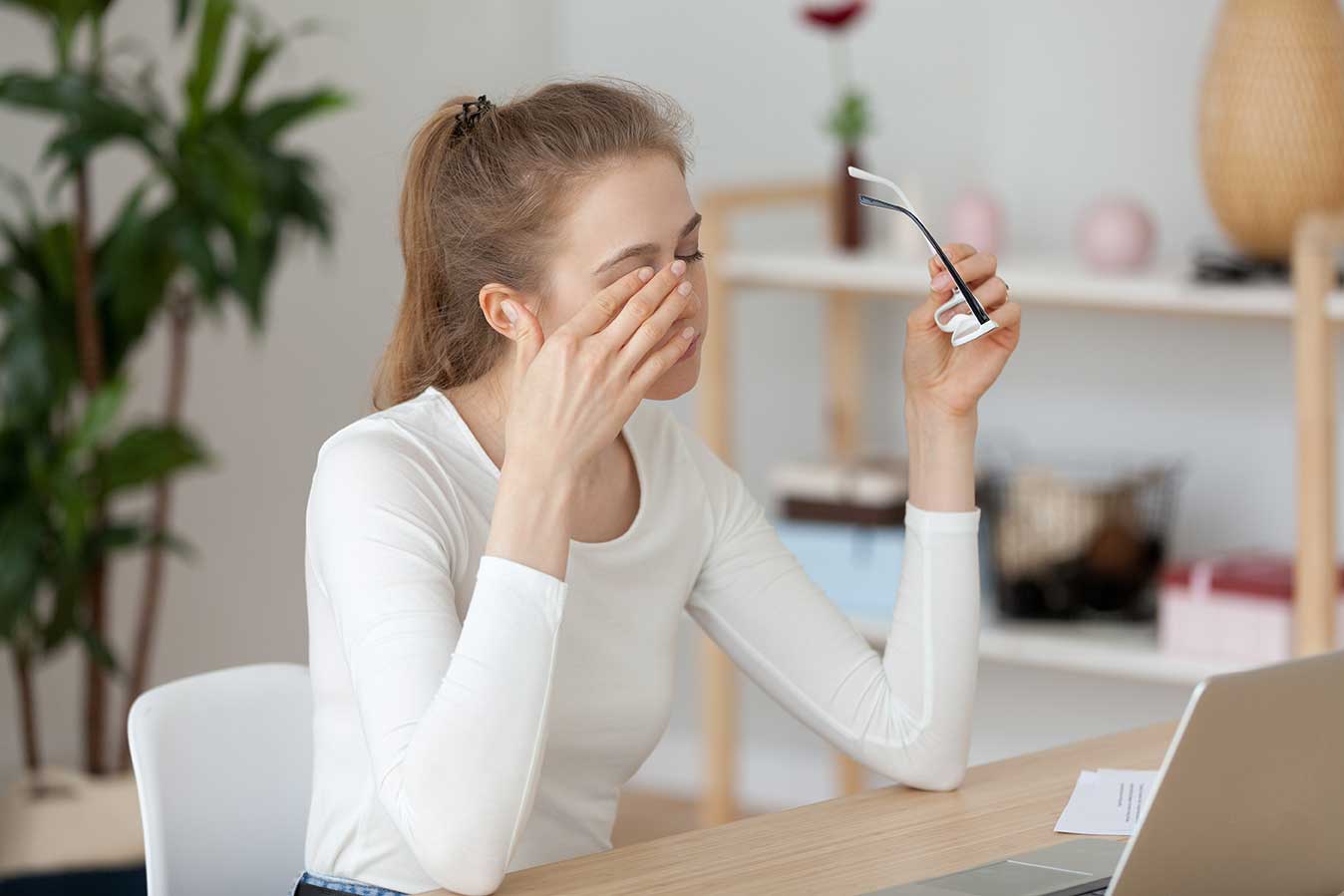
When picturing ‘ADHD’ we often think of little boys running around the classroom, disrupting lessons and having boundless energy. Although for many this picture is reality, for some, they experience something totally different. For many young girls with ADHD, their symptoms often are internalised and therefore harder to spot from the outside perspective. This could partly explain the overall trend of girls being diagnosed with ADHD at a later stage in life, whereas boys are often diagnosed during their school years.
If you are a women and are thinking that you are struggling with ADHD symptoms, it is common to feel confused or to think “well, I’ve already made it this far”. However, you would not be alone in these feelings. As ADHD education and awareness increases, more people are reflecting on what they find difficult and whether there could be an underlying cause for this. Women also have fluctuating hormones, which change periodically throughout different stages of age. Some research has also indicated that hormones can exacerbate ADHD symptoms, making them increasingly difficult to manage during the days leading up to a woman’s period. Therefore, some women do not consider ADHD until they reach puberty.
We believe that it is important to recognise the differences in gender-based societal expectations, female physiology, and stereotyping that could impact the presentation of ASDHD symptoms between genders.
ADHD in women primarily means a greater likelihood of the below symptoms:
- Difficulty in giving close attention to detail or making careless mistakes
- Difficulty in sustaining attention on tasks
- Difficulty in organisation and prioritisation
- Easily being distracted
- Forgetfulness
- General inattentiveness or ‘absent-mindedness’
There are also some social difficulties that women with ADHD tend to struggle with. For example, women with ADHD may struggle with rejection sensitivity (an intense emotional response to real or perceived social rejection) or the social expectations of romantic and platonic relationships. They may also engage in more risky social behaviours.
The first step to better managing symptoms of ADHD, regardless of gender, is getting an accurate diagnosis from an experienced and qualified psychiatrist. From there, you can rule out any other mental health or physical condition that may be mimicking ADHD symptoms and receive a care plan tailored to your unique needs. Many people with ADHD choose a combination of medical treatment and therapeutic support, such as talking therapies, to help them manage their symptoms and any co-existing anxiety or low mood.
At Harley Street ADHD Clinic, we have a team of psychiatrists and clinicians who would to provide you with their expertise. We assess neurodivergent conditions using a holistic approach, whereby we utilise multiple sources of information to give a reliable and fully-informed diagnosis. If you would like to get more information or contact us further, please use our contact us form.