International FND Awareness Day
Functional Neurological Disorder (FND) Awareness Day is a chance to learn more about a condition that many people still do not fully understand.
What is FND?
FND affects how the brain and body work together. The signals between them do not work properly, which can cause a range of physical symptoms. These symptoms are real and can have a big impact on daily life.
People with FND may experience seizures, shaking, weakness, pain, fatigue, or sensory changes. Symptoms can come and go, and they can sometimes get worse during times of stress or overwhelm.
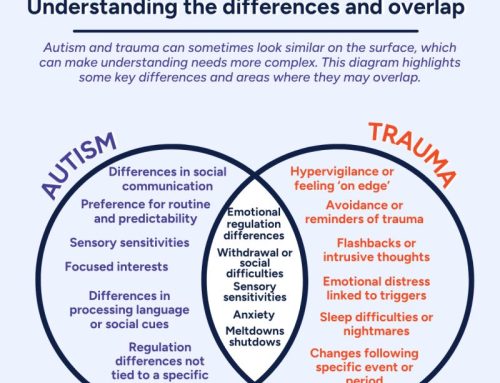
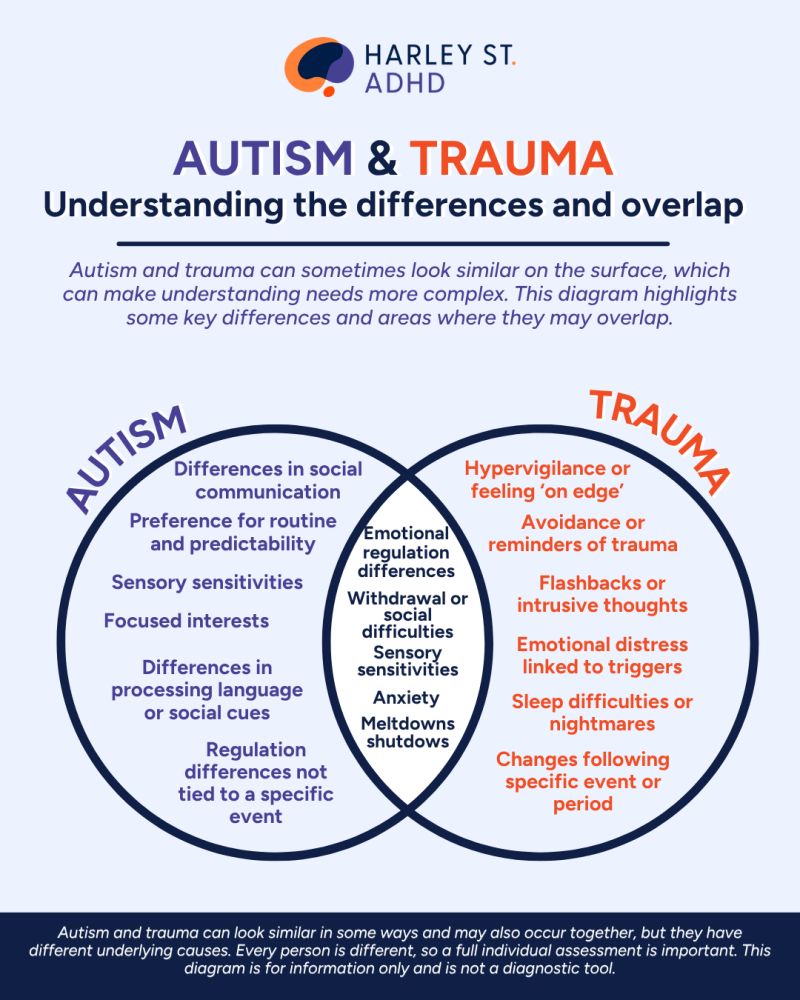
The link between FND and Autism
There is growing research showing that FND can sometimes be linked with autism. Autistic people often experience the world in a more intense way, especially when it comes to sensory input such as noise, light, touch, or busy environments. This can place ongoing pressure on the nervous system.
When the nervous system is under constant strain, it can become harder for the brain to regulate and organise signals from the body. Over time, long term stress, sensory overload, or burnout can affect how the brain processes movement, sensation, and physical responses. Instead of signals flowing smoothly, they may become disrupted or misinterpreted.
For some people, this may show up as FND symptoms. The brain is still sending and receiving messages, but the patterns are not working as they should. This is why symptoms like seizures, weakness, or sensory changes can happen without a clear physical cause.
There are also similarities in how the brain processes internal body signals in both FND and autism. Some people may find it harder to recognise or interpret what is happening in their body, such as early signs of stress, pain, or fatigue. This can mean the body becomes overwhelmed before there is a chance to respond and regulate.
How raising awareness helps
Understanding this link can help people make sense of their experiences. It also highlights the importance of reducing pressure on the nervous system. Simple steps such as building rest into the day, creating predictable routines, and managing sensory input can help the brain and body feel safer and more regulated.
Support and information
Support is available. Many people find it helpful to learn about FND, build supportive routines, and explore ways to calm the nervous system. Peer support groups and trusted organisations, such as FND Hope, Harley Street ADHD, and the National Autistic Society, can also provide helpful information and community.
International Functional Neurological Disorder Awareness Day is about understanding and compassion. The more we talk about FND and its links with autism, the easier it becomes for people to feel believed, supported, and less alone.
If you are experiencing symptoms of FND or relate to what you have read, we are here for you and upload information like this regularly.