How to manage anxiety in Autistic Adults

Autism Spectrum Disorder (ASD) is a neurological condition that affects how individuals perceive the world and interact with it. It’s a diverse and complex spectrum, and each person with autism experiences unique challenges and strengths. One common co-occurring condition that frequently accompanies autism is anxiety. In this blog post, we will delve into the complex relationship between autism and anxiety, exploring the reasons behind this connection, its impact on individuals and their families, and strategies to better understand and manage it.
Understanding Autism and Anxiety
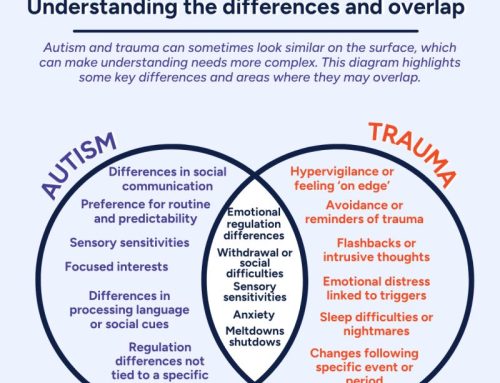
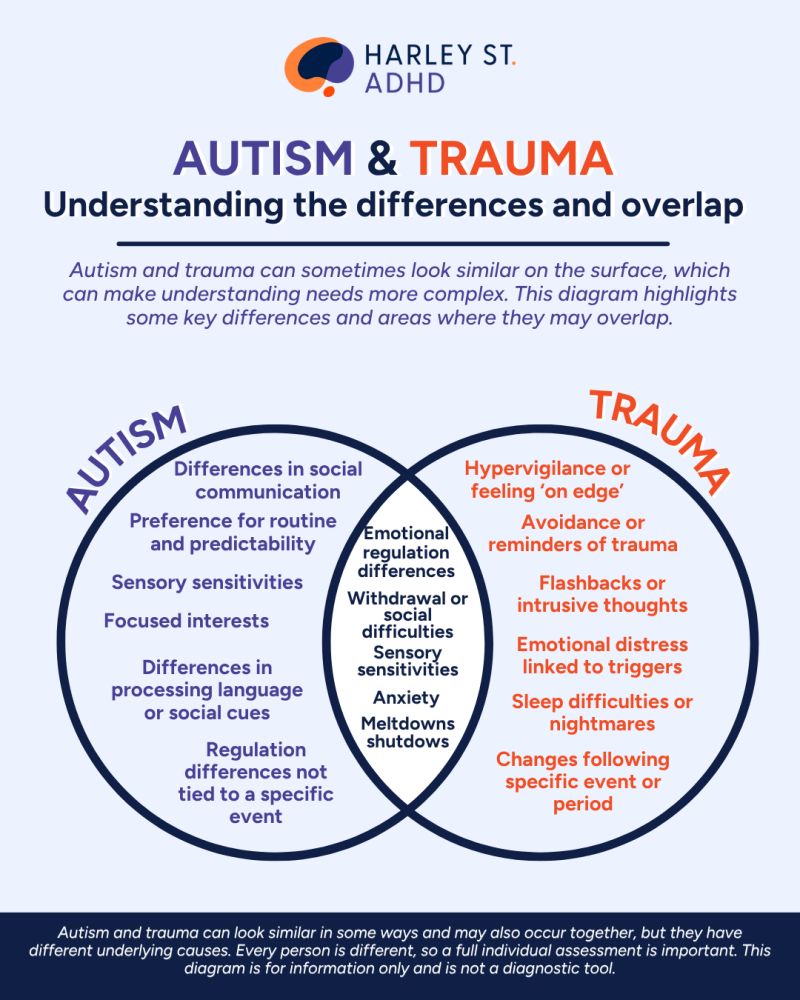
Autism is characterised by differences in social communication and behaviour. Individuals on the autism spectrum may have difficulties with non-verbal communication, repetitive behaviours, and challenges in building and maintaining relationships. Anxiety, on the other hand, is a condition marked by excessive worry, fear, or nervousness, often accompanied by physical symptoms such as increased heart rate and restlessness.
The link between autism and anxiety is multifaceted:
- Sensory Overload: Many individuals with autism are hypersensitive to sensory stimuli, such as loud noises, bright lights, or certain textures. These sensory sensitivities can lead to constant exposure to stressors, causing anxiety.
- Difficulty with Social Interactions: Social situations can be particularly anxiety-inducing for people with autism due to challenges in understanding social cues and norms. They may feel overwhelmed by the expectations of social engagement.
- Changes and Transitions: Individuals with autism often thrive on routines and predictability. Unexpected changes and transitions can trigger anxiety, as they struggle to adapt to new situations.
- Communication Difficulties: People with autism may find it hard to express their thoughts and emotions, which can lead to frustration and, in turn, anxiety.
- Coping Mechanisms: Some individuals with autism develop repetitive behaviours or special interests as a way to cope with anxiety. These behaviours, while soothing for them, can be isolating or misunderstood by others.
Impact on Individuals and Families
The coexistence of autism and anxiety can have a significant impact on the lives of individuals and their families. For those with autism, anxiety can manifest in various ways, including meltdowns, avoidance of certain situations, or withdrawal from social interactions. It can hinder their ability to participate in everyday activities and hinder personal development.
Families and caregivers also face unique challenges. They often have to navigate a complex landscape of understanding their loved one’s needs while seeking appropriate support and interventions. The added stress and emotional toll of supporting someone with both autism and anxiety can be overwhelming.
Strategies for Management and Support
- Understanding the relationship between autism and anxiety is crucial for effective management and support. Here are some strategies that can be helpful:
- Sensory Accommodations: Create environments that cater to sensory sensitivities by reducing stimuli like noise, bright lights, or strong smells. Provide sensory tools, like fidget toys or noise-canceling headphones, to help individuals self-regulate.
- Social Skills Training: Engage in social skills training programs that can help individuals with autism develop the skills necessary to navigate social interactions and reduce anxiety in social settings.
- Communication Support: Encourage and support effective communication through alternative communication methods like picture exchange systems or augmentative and alternative communication (AAC) devices.
- Predictable Routines: Maintain predictable routines and schedules, providing clear and visual cues to signal upcoming changes or transitions.
- Medication: In some cases, medication prescribed by a healthcare professional may be considered to manage severe anxiety symptoms.
The connection between autism and anxiety is a complex and deeply personal journey for each individual and their families. Recognising this link and understanding the unique challenges it poses is the first step toward effective support and management. With a combination of sensory accommodations, social skills training, communication support, predictable routines, therapy, and, if necessary, medication, individuals with autism and anxiety can work toward a more comfortable and fulfilling life. It is essential to embrace neurodiversity, foster inclusivity, and create environments where everyone, regardless of their neurological makeup, can thrive.
At Harley Street ADHD Clinic, we have a team of psychiatrists and clinicians who would to provide you with their expertise. We assess neurodivergent conditions using a holistic approach, whereby we utilise multiple sources of information to give a reliable and fully-informed diagnosis. If you would like to get more information or contact us further, please use our contact us form.